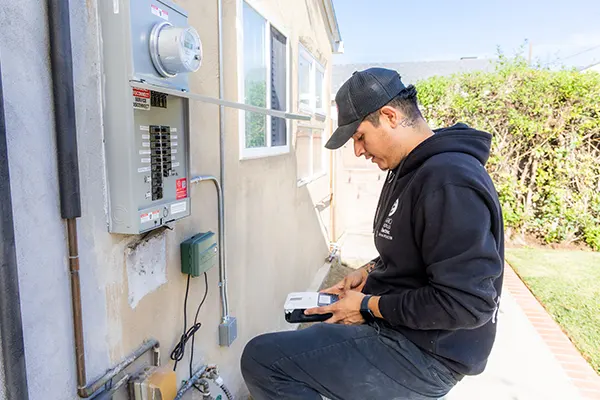
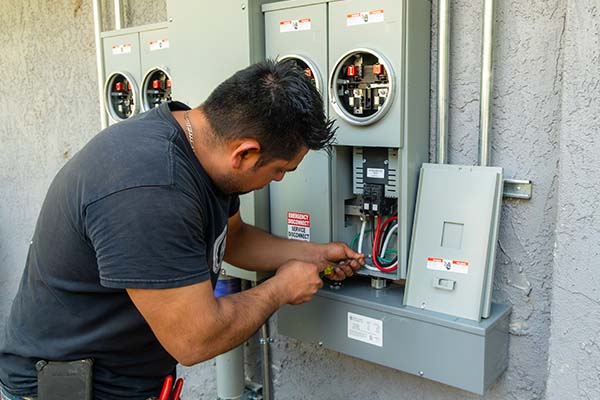
Whether you're wiring a new build, upgrading a service, or setting up temporary power on a job site, metering and monitoring equipment plays a bigger role than most people think. It’s what connects your system to the utility, tracks usage, and keeps everything running safely and efficiently.
From meter sockets to meter load centers and temporary power panels, having the right setup ensures your project stays compliant, powered, and on schedule.
At Castillo Electric Distribution, these are the kinds of products contractors and electricians pick up every day—because when it comes to power, the details at the meter matter.
What Falls Under Metering & Monitoring?
Metering and monitoring covers the essential equipment that connects your electrical system to the utility and helps track power usage safely and accurately. These components are often the first step in any electrical setup, whether it’s permanent service or temporary power.
Here’s a quick breakdown of the core product categories:
- Meter Sockets
The enclosure that houses the electric meter and connects your system to the utility grid. - Meter Load Centers
A combined solution that integrates a meter socket with a distribution panel for added convenience and space savings. - Temporary Power Panels
Portable or semi-permanent setups designed to deliver power on job sites, events, or during construction phases.
Each of these plays a specific role, but together they form the backbone of a reliable electrical service setup.
Meter Sockets: The Connection Point That Matters
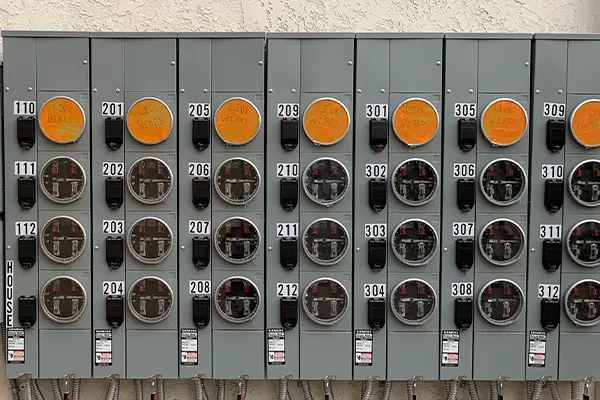
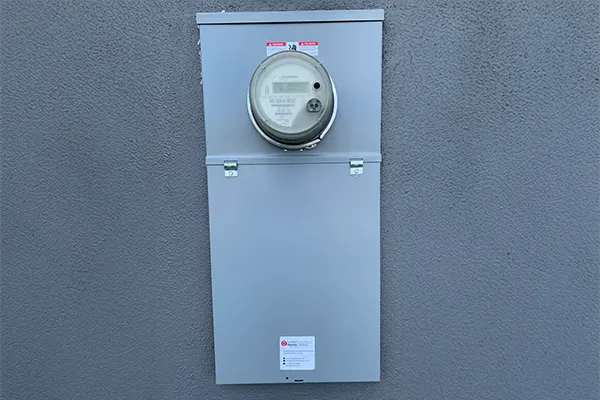
Meter sockets are where your electrical system officially meets the utility. They house the electric meter and serve as the connection point that allows power to flow into the building.
It might seem like a simple component, but choosing the right meter socket is critical for safety, compliance, and long-term reliability.
Where You’ll See Them
- Residential service entrances
- Small commercial buildings
- Service upgrades and replacements
What to Look For
When selecting a meter socket, a few key factors can make all the difference:
- Utility requirements
Local utilities often have specific specs for approved meter bases - Amperage rating
Common options include 100A, 200A, and higher depending on the load - Ring vs. ringless designs
Depends on utility standards and application - Indoor vs. outdoor ratings
Make sure the enclosure matches the installation environment - Number of positions
Single-position for most homes, multi-position for multi-tenant setups
Getting this piece right upfront helps avoid delays, failed inspections, or costly rework later on.
Meter Load Centers: Combining Metering + Distribution
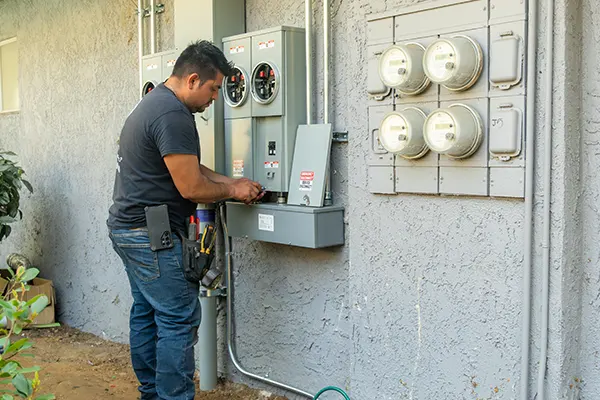
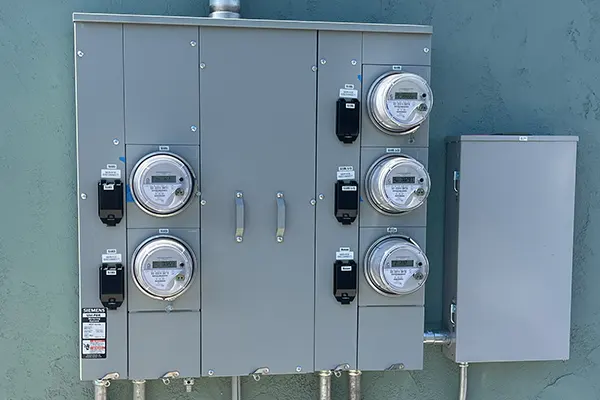
Meter load centers bring two essential components into one streamlined solution: the meter socket and the distribution panel. Instead of installing them separately, this setup combines both into a single unit.
For many projects, especially residential builds and service upgrades, this can simplify installation and save valuable space.
When They Make Sense
- New residential construction
- Service upgrades where space is limited
- Multi-circuit applications that need a clean, consolidated setup
Why Contractors Use Them
- Space-saving design
Combines meter and panel in one enclosure - Faster installation
Fewer components to mount and connect - Cleaner layout
Reduces clutter and simplifies wiring - Cost efficiency
Can reduce labor and material costs compared to separate units
Meter load centers are a practical choice when you want a more efficient setup without sacrificing performance or compliance.
Temporary Power Panels: Keeping Jobs Moving
Temporary power panels are essential for job sites that need reliable electricity before permanent service is installed. Whether you're powering tools, lighting, or equipment, these panels help keep projects moving without delays.
You’ll see them used across construction sites, renovations, and even temporary setups like outdoor events.
Common Applications
- Construction and new builds
- Remodeling and renovation projects
- Outdoor events and temporary installations
- Utility service transitions
What Makes Them Valuable
- Quick setup
Designed for fast installation so work can start sooner - Portable and flexible
Easy to move or reconfigure as the job progresses - Built for durability
Made to handle tough job site conditions - Code-compliant options
Helps meet safety standards for temporary power distribution
Having the right temporary power panel on hand ensures your crew has safe, dependable power from day one.
Quick Comparison: Which One Do You Need?
If you’re deciding between these options on the fly, here’s a quick side-by-side to help you narrow it down:
| Product Type | Best For | Key Benefit | Typical Use |
| Meter Socket | Utility connection | Simple + reliable | Homes small builds |
| Meter Load Center | Combined setups | Space-saving | Service upgrades |
| Temporary Power Panel | Job site power | Fast setup | Construction sites |
Quick takeaway:
- Go with a meter socket for standard service connections
- Use a meter load center when you want everything in one place
- Choose a temporary power panel when the job needs power now, not later
How to Choose the Right Metering Equipment
Choosing the right setup doesn’t have to be complicated. Most of the time, it comes down to a few key factors tied to your project.
Start With the Job Type
- New construction? You’ll likely need a full setup from meter socket to panel
- Service upgrade? A meter load center might simplify the install
- Temporary power? Go straight to a job-ready panel
Check Utility Requirements First
Before anything else, confirm what your local utility allows.
- Approved meter socket types
- Ring vs. ringless requirements
- Placement and mounting specs
Skipping this step can slow down inspections and approvals.
Match the Load
Think about both current demand and future expansion.
- 100A for smaller residential needs
- 200A as the most common standard
- Higher ratings for larger homes or commercial applications
Consider the Environment
Where the equipment is going matters just as much as what it does.
- Outdoor installs need weather-rated enclosures
- Job sites require durable, impact-resistant builds
- Indoor installs may allow for more flexibility
Think One Step Ahead
A quick decision now can save time later.
- Will the system need to expand?
- Is space limited?
- Would a combined unit reduce install time?
Bottom Line
The “right” choice depends less on the product and more on how it fits the job. When everything lines up—utility specs, load, and environment—you avoid rework and keep things moving.
Common Mistakes to Avoid with Metering Equipment
Even experienced crews can run into issues here. Most problems don’t come from the install—they come from small oversights during selection.
Not all meter sockets are approved everywhere.
If the utility doesn’t accept your setup, you’re looking at delays, rework, and failed inspections.
Undersizing can limit performance. Oversizing can add unnecessary cost.
Match the equipment to the actual load—and leave a little room for future needs.
Outdoor installs need the right enclosure.
Using the wrong rating can lead to premature wear, safety issues, or code violations.
That “good enough for now” setup can become a problem later.
Think ahead:
- Will more circuits be needed?
- Is the service likely to grow?
Not all parts play well together.
Compatibility between meter sockets, panels, and temporary setups matters more than it seems.
Quick takeaway:
Most issues are avoidable with a little planning upfront. Get the specs right, confirm requirements, and you’ll save time on the back end.
Why Contractors Get Metering & Monitoring Equipment at Castillo Electric Distribution
When you're sourcing meter sockets, meter load centers, or temporary power panels, availability and reliability matter just as much as price.
That’s why electricians and contractors keep coming back for metering and monitoring equipment, because they know they can get what they need without slowing the job down.
What Makes the Difference
- Consistent product availability
The parts you need are in stock when you need them - Contractor-focused selection
Equipment that matches real job requirements, not just shelf fillers - Straightforward support
Quick answers when specs or compatibility questions come up - One-stop convenience
Grab everything for the service setup in one trip
At the end of the day, it’s about keeping your project moving—without second-guessing the equipment you’re installing.
Metering & Monitoring Frequently Asked Questions
A meter socket houses the electric meter and connects your electrical system to the utility grid. It’s the point where incoming power is measured before it enters the building.
It depends on your setup. A meter load center combines the meter socket and distribution panel in one unit, which can save space and simplify installation. Separate components may be better for larger or more complex systems.
Temporary power panels provide electricity on job sites before permanent service is installed. They’re commonly used for construction, renovations, and outdoor projects.
No. Meter sockets must meet local utility requirements, which can vary by area. Always confirm specs before purchasing to avoid installation or inspection issues.
The size depends on your electrical load. Most residential setups use 100A or 200A service, but larger homes or commercial applications may require higher ratings.
Get the Metering & Monitoring Equipment You Need—Without the Guesswork
When you’re on a job, the last thing you want is to second-guess your materials or make multiple stops to track down the right components.
Castillo Electric Distribution makes it easier to get exactly what you need—whether you're picking up a meter socket, meter load center, or temporary power panel for your next project.
Why Choose Castillo Electric Distribution
- Reliable inventory so you’re not waiting on critical components
- Job-ready products that meet real-world requirements
- Fast, straightforward service that respects your time
- Support when you need it for specs, compatibility, and product selection
Need to get started?
Stop by, call in your order, or connect with our team to find the right metering and monitoring setup for your job.