
Electrical systems rely on many components working together, and some of the smallest ones play one of the biggest roles in protecting your equipment. Fuses and fuse holders are designed to help prevent damage caused by overloads and short circuits, making them an important part of residential, commercial, and industrial electrical systems.
Whether you're replacing a blown fuse, upgrading existing equipment, or gathering materials for a new project, choosing the right electrical fuses and fuse holders helps keep your system protected and operating as intended.
At Castillo Electric Distribution, we have licensed electricians in our wholesale electrical parts warehouse that can explain what fuses and fuse holders do, help you find the most common types, and help share a few tips for choosing the right products for your application. If you're ever unsure which components you need, our team is here to help you find compatible products and get you back to work quickly.
What Do Fuses & Fuse Holders Do?
Fuses are one of the simplest and most effective forms of overcurrent protection. They're designed to protect electrical equipment by interrupting the flow of electricity when the current exceeds a safe level. Instead of allowing excess current to damage motors, transformers, panels, or other components, the fuse sacrifices itself by breaking the circuit.
A fuse holder or fuse block keeps the fuse securely in place, provides a reliable electrical connection, and makes replacing a blown fuse faster and safer. Together, these components help protect electrical circuits and keep equipment running as intended.
Quick Tip
A fuse is designed to fail before your equipment does. Replacing a blown fuse with the correct replacement helps maintain the level of protection your system was designed to provide.
It's also important to remember that not every fuse is interchangeable. Different applications require different fuse types, sizes, voltage ratings, and amperage ratings. Using the wrong fuse can lead to nuisance failures, equipment damage, or reduced protection.
If you're replacing an existing fuse or selecting components for a new installation, taking a few extra minutes to choose the right fuse and compatible holder can help avoid unnecessary downtime later. And if you're not sure which products you need, we're always happy to help you find the right solution.
Common Types of Fuses & Fuse Holders
Not all fuses are built for the same job. Different electrical systems and equipment require different styles of fuses and mounting options. Knowing the basics can make it easier to choose the right replacement or select the right components for a new installation.
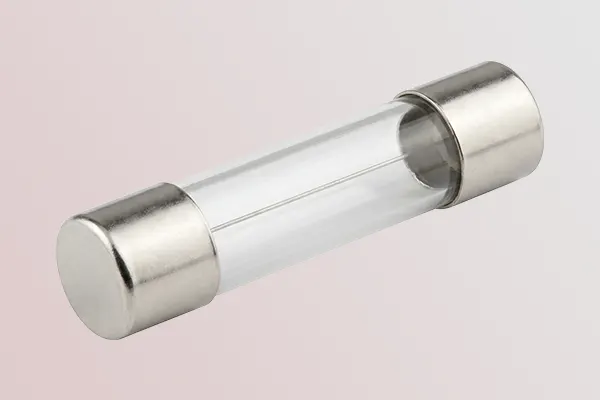
Cartridge Fuses
Cartridge fuses are commonly used in commercial and industrial electrical systems because they're designed to handle higher voltages and currents than many other fuse types. They're often found in disconnect switches, control panels, HVAC equipment, and industrial machinery where reliable equipment protection is essential.
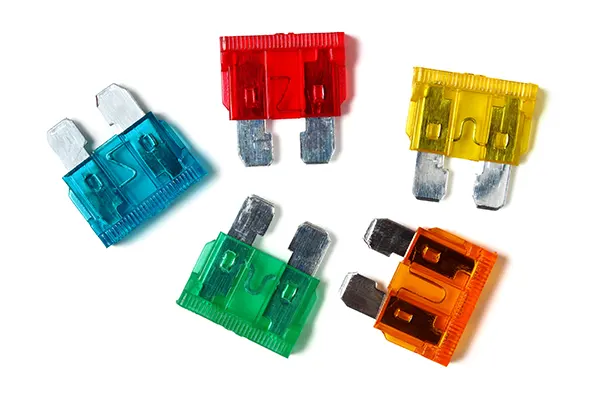
Blade Fuses
Blade fuses are most commonly used in automotive, marine, and some low-voltage electrical applications. Their color-coded design makes amperage identification quick and helps simplify replacement when maintenance is needed.
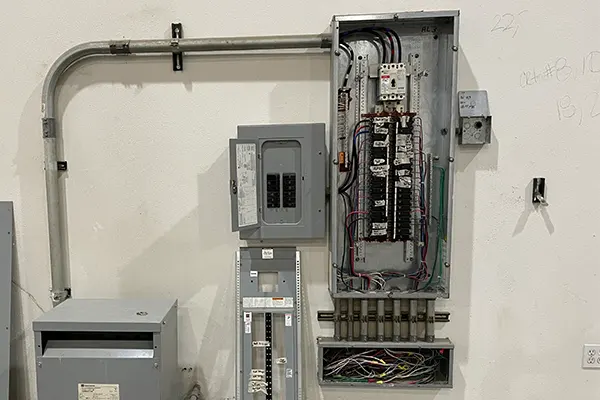
Specialty & Industrial Fuses
Some applications require fuses designed for specific equipment or operating conditions. Specialty and industrial fuses are available in a variety of sizes, time-delay ratings, and performance characteristics to help protect motors, transformers, control circuits, and other specialized equipment.
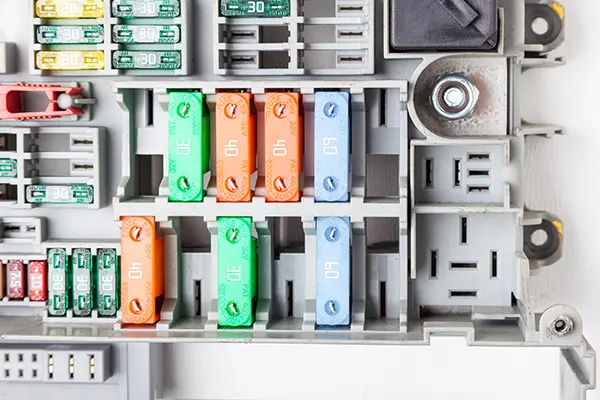
Fuse Blocks & Holders
Fuse holders and fuse blocks secure the fuse in place while providing a dependable electrical connection. They also make replacing blown fuses much easier during routine maintenance or troubleshooting. Choosing a compatible fuse holder is just as important as choosing the correct fuse itself.
| Product | Common Use | Key Benefit |
| Cartridge Fuses | Commercial & industrial equipment | High-level circuit protection |
| Blade Fuses | Automotive & low-voltage systems | Fast, simple replacement |
| Specialty Fuses | Equipment-specific applications | Designed for unique protection needs |
| Fuse Blocks & Holders | Mounting and securing fuses | Safe installation and easy maintenance |
No matter what type of fuse or fuse holder your project calls for, choosing components that match your equipment's specifications helps ensure dependable performance. If you aren't sure which products are compatible, our team can help you find the right fit before you leave with the wrong parts.
Fuse vs. Circuit Breaker: What's the Difference?
Both fuses and circuit breakers are designed to protect electrical circuits from overloads and short circuits, but they work in different ways. Knowing the difference can help you choose the right protection for your equipment and understand when each option is most appropriate.
The biggest difference is what happens after the device interrupts the circuit. A fuse must be replaced after it blows, while a circuit breaker can usually be reset once the issue has been resolved.
| Feature | Fuse | Circuit Breaker |
| After an overload | Replace the fuse | Reset the breaker |
| Best for | Fast equipment protection | Reusable circuit protection |
| Common applications | Equipment, control panels, disconnects | Electrical panels, branch circuits |
| Maintenance | Keep replacement fuses on hand | Inspect and reset as needed |
Neither option is inherently better—they simply serve different purposes depending on the application. Many commercial and industrial electrical systems use both, with circuit breakers protecting larger circuits and fuses providing dedicated protection for specific equipment or components.
If you're replacing an existing component or aren't sure which type of protection your system requires, we're here to help you find compatible products and answer your questions before you order.
When Should You Replace a Fuse or Fuse Holder?
A blown fuse is the most obvious reason for a replacement, but it's not the only one. Over time, fuse holders and fuse blocks can wear out or become damaged, reducing their ability to provide a secure electrical connection.
If you're performing maintenance or troubleshooting an electrical system, it's a good idea to inspect both the fuse and its holder for signs of wear before putting the equipment back into service.
You may need to replace a fuse or fuse holder if you notice:
- A blown fuse that has interrupted the circuit
- Cracks, corrosion, or other visible damage
- Burn marks or signs of overheating
- Loose or worn fuse holder connections
- Equipment upgrades that require different electrical protection
- Routine preventive maintenance on aging systems
It's important to replace a blown fuse with one that has the correct amperage, voltage rating, and type for the application. Installing the wrong fuse can reduce the protection your equipment was designed to have and may lead to unnecessary downtime or additional repairs.
Likewise, if a fuse holder is damaged or no longer holds the fuse securely, replacing the holder can help restore a reliable connection and maintain proper protection for the circuit.
Whether you're replacing a single fuse or stocking up for your next job, we can help you find the compatible fuses, fuse blocks, and fuse holders you need so you can get back to work with confidence.
Choosing the Right Fuse for Your Application
With so many fuse types available, selecting the right one doesn't have to be complicated. The key is matching the fuse to your equipment and the electrical system it's was designed to protect.
Before purchasing a replacement, take a few minutes to verify these important details:
- Amperage rating: Choose a fuse with the correct current rating for the circuit.
- Voltage rating: Make sure the fuse is rated for your system's operating voltage.
- Fuse type: Confirm whether your equipment requires a cartridge fuse, blade fuse, or another specialty fuse.
- Physical size: Even if two fuses have similar ratings, they may not be the same size or style.
- Compatible fuse holder or block: The fuse and holder should be designed to work together for a secure, reliable connection.
A Quick Checklist Before You Buy
| Check | Why It Matters | Example |
| Amperage | Prevents improper protection | Match equipment specs |
| Voltage | Ensures safe operation | Use the correct voltage rating |
| Fit & Compatibility | Avoids installation issues | Verify fuse and holder match |
If you're replacing an existing fuse, the equipment documentation or the markings on the old fuse can often help identify the correct replacement. If you're working on a new installation, following the manufacturer's specifications is always the best approach.
And if you're not completely sure what you need, you don't have to figure it out alone. Bring in your part number, equipment information, or even the old fuse, and we'll help you find compatible fuses, fuse holders, or fuse blocks that fit your application. Our goal is to make the process as easy as possible so you can get the right products and keep your project moving.
Why Castillo Electric Distribution Is Your Local Source for Fuses & Fuse Holders
When you need electrical supplies, the last thing you want is to spend time searching multiple suppliers or waiting days for the right part to arrive. Whether you're replacing a single fuse or picking up materials for a larger project, we're here to make the process quick and straightforward.
Our inventory includes a wide selection of electrical fuses, fuse holders, and fuse blocks for a variety of residential, commercial, and industrial applications. If you already know what you need, we'll help you get it quickly. If you're not sure, our team is always available to answer questions and help you find compatible products.
When you choose Castillo Electric Distribution, you can count on:
- A wide selection of fuses and fuse holders
- Trusted electrical products from quality manufacturers
- Fast ordering and convenient local pickup
- Friendly, knowledgeable support from our team
- One place for all your electrical supply needs
- Help finding compatible components before you buy
We know that every project is different, and sometimes the smallest components can have the biggest impact on keeping a job on schedule. That's why we focus on making it easy to get the products you need, when you need them, backed by a team that's ready to help every step of the way.
Protect Your Equipment with the Right Components
Choosing the right fuses and fuse holders is a simple step that can make a big difference in protecting electrical equipment and keeping systems operating reliably. From routine maintenance and equipment repairs to new installations, using compatible components helps ensure your electrical system performs as intended.
Whether you're replacing a blown fuse, stocking your service vehicle, or sourcing materials for your next project, we're here to help you find the right products without the hassle. Stop by, give us a call, or place your order with confidence knowing our team is ready to help you get exactly what you need—quickly, accurately, and with the service you can count on.
Frequently Asked Questions
The easiest way is to check the markings on the existing fuse or refer to your equipment's documentation. You'll want to match the amperage, voltage rating, fuse type, and physical size. If you're unsure, bring the old fuse or your equipment information to us, and we'll help you find a compatible replacement.
No. Installing a fuse with a higher amperage rating than recommended can reduce the level of protection your equipment was designed to have and may increase the risk of equipment damage. Always replace a fuse with one that matches the manufacturer's specifications.
Both are designed to secure a fuse and provide a reliable electrical connection. Fuse holders typically accommodate individual fuses, while fuse blocks can hold one or multiple fuses depending on the application. The right choice depends on your equipment and installation requirements.
Yes, if they're damaged, cracked, corroded, or no longer provide a secure connection. Replacing a worn or damaged fuse holder helps maintain reliable electrical protection and can prevent future issues.
Absolutely. Whether you know the exact part number or just have the old component, our team can help you identify compatible fuses, fuse holders, and fuse blocks for your application. We're here to make it easy to get the right products so you can keep your project moving.