

A missing electrical part may only cost a few dollars, but discovering that it is missing at the jobsite can cost much more. Work may stop, an electrician may have to leave the project, or another employee may need to make an unexpected supply run. That means paid labor, travel time, fuel, scheduling problems, and lost productivity, all because one component was not available when it was needed.
This is why choosing the right electrical supply store is about more than finding the lowest price on a part. It is also about working with people who understand how breakers, GFCIs, switches, receptacles, wall plates, wire, and other electrical supplies fit into the bigger picture.
Castillo Electric Distribution is run by an electrician, so we understand the pressure that comes with missing materials and tight project timelines. Whether you visit our counter, call ahead, send us your electrical material list, or arrange to have an order shipped, our team pays attention to the details and helps you identify what is available, what may need to be sourced, and how soon you can expect it.
Key Takeaways
- The real cost of a missing part can include labor, travel, project delays, and lost productivity.
- Small components can prevent an electrician from completing a much larger task.
- Sending an electrical material checklist in advance gives the supplier more time to review availability and source harder-to-find products.
- Clear communication about inventory and lead times helps contractors plan around potential delays.
- An electrician-run electrical wholesaler understands why getting the right materials on time matters at the jobsite.
A Missing Electrical Part Costs More Than Its Price Tag
The purchase price of a missing electrical part is often the smallest part of the problem. If the work cannot continue without it, the cost begins to grow through wasted labor, extra travel, and changes to the project schedule.
For example, an electrician may already have the panel, wiring, and tools needed for a task but still be unable to finish because a breaker, connector, GFCI, or wall plate is missing. Leaving the jobsite to retrieve that item takes time away from the installation. If the electrician cannot leave, another employee may have to stop what they are doing and make the trip instead.
The disruption can also extend beyond that one employee. Other work may depend on the electrical task being completed first. A missing component can delay the next phase, require the crew to rearrange its schedule, or create an additional visit that could have been avoided.
|
Immediate Problem |
Jobsite Effect |
Wider Cost |
|
Part is missing |
Work stops |
Lost labor time |
|
Supply run is needed |
Worker leaves the site |
Travel and fuel |
|
Item is unavailable |
Task is postponed |
Schedule disruption |
|
Crew cannot finish |
Return visit is required |
Lower productivity |
Not every missing item will create a major delay, but even a short interruption has a cost. Catching a possible gap before an order leaves the counter or ships to the customer gives the project a better chance of staying productive and on schedule.
How One Missing Item Can Disrupt the Entire Job
Electrical projects involve more than a collection of individual parts. Materials, workers, inspections, and other trades often need to come together in a specific order. When one required component is unavailable, the disruption can spread beyond the task immediately in front of the electrician.
A missing item may mean:
- The electrician cannot complete or test the installation.
- Another employee must leave their assigned work to pick up the material.
- The crew has to move to a different task before it is ready.
- A later phase of the project must be rescheduled.
- The electrician needs to make another visit to finish the work.
- Other contractors or property occupants must wait longer than expected.
Missing materials do not always result from poor planning. Project requirements can change, site conditions may reveal an unexpected need, products can be damaged, and small supporting components may be overlooked within a much larger electrical material list.
Whatever the reason, the urgency is the same once the crew discovers the problem. Quick access to the right electrical parts and clear information about product availability can help the electrician decide whether to continue with another task, arrange a pickup, approve an alternative, or adjust the schedule while the needed material is sourced.
Small Electrical Supplies That Can Stop a Big Project
Large equipment naturally receives much of the attention during material planning, but smaller electrical parts are often just as important to completing the work. A crew may have the main equipment ready to install and still be unable to finish because one supporting component is missing, incompatible, or available in the wrong quantity.
Some of the most common last-minute needs include breakers, GFCIs, switches, receptacles, wall plates, connectors, and mounting hardware.

Breakers and GFCIs
A missing breaker or GFCI can prevent an electrician from completing, energizing, or testing part of an installation. Because these products must be appropriate for the specified equipment and application, finding any breaker or device on the shelf is not necessarily enough. The requested manufacturer, series, rating, and other project requirements need to be considered.
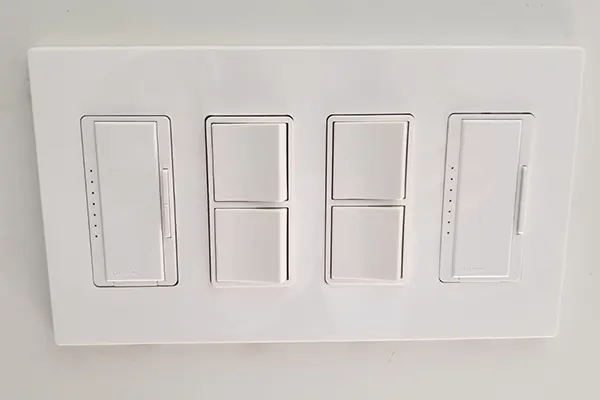
Switches, Receptacles, and Wall Plates
Switches, receptacles, and wall plates may seem like finishing details compared with panels or long runs of cable, but they can determine whether a room or project area is ready to be completed. Quantities, device types, colors, configurations, and cover styles should be reviewed before the order is picked up or shipped.

Wire, Cable, Panels, and Supporting Components
The primary materials also need the correct supporting parts. Wire and cable may require compatible connectors, fittings, fasteners, or identification supplies. Panels may need specified breakers or mounting components. Even when the main product is accounted for, the accessories required to install it can create an unexpected gap.
Taking a few extra minutes to review both the main materials and the smaller supporting components can help reduce last-minute supply runs once the work begins.
Why an Electrician-Run Electrical Supply Store Makes a Difference
When an electrical supply business is run by someone with field experience, customer urgency is easier to understand. Being short on cable, breakers, GFCIs, or other electrical supplies is not simply an inconvenience. It can mean an electrician is standing at the jobsite without what they need to complete the work.
Castillo Electric Distribution brings that practical perspective to the supply process. Our team understands why customers need clear answers about what is available, what must be ordered, and how long sourcing may take. If an item is not currently in stock, customers should know as early as possible so they can make informed decisions about purchasing and scheduling.
That same attention applies whether someone needs supplies for a large commercial project or a much smaller order. A missing wall plate, receptacle, or breaker can still create a return trip and take time away from the work that needs to be completed. The size of the order does not change the importance of getting its details right.
Working with an electrician-run electrical wholesaler also gives customers access to people who understand how electrical products are used in real projects. That experience supports clearer conversations, more relevant questions, and practical help when a customer is trying to find or source a specific item.
How We Help Catch Missing Materials Before You Leave
Preventing every unexpected material need is not possible, especially when project conditions can change at the jobsite. However, attentive service and clear communication can help identify possible gaps before an order leaves the counter or ships to the customer.

We Pay Attention to the Complete Order
When customers share their electrical material lists, our team looks at the order as a whole rather than treating every product as an unrelated line item. Field experience can help us notice when a commonly paired product or supporting component may be worth confirming.
This is an informal, customer-focused process rather than a formal project review. The electrician, contractor, or other qualified professional remains responsible for confirming the final products, quantities, specifications, and installation requirements.

We Check What Is Available
Once a quote is approved, we determine which requested electrical parts are currently available and which may need to be ordered. Beginning this process early provides more time to locate materials and evaluate available sourcing options.
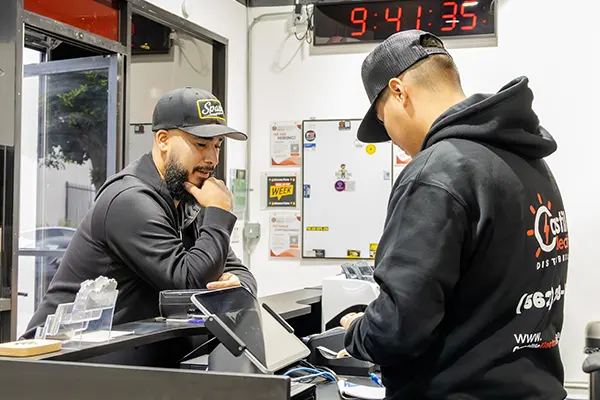
Customers can also call or send us their material lists before visiting the store. This gives our team an opportunity to check product availability and begin discussing harder-to-find items before someone drives to the counter.
We Communicate Lead Times Early
If a requested product is not currently available, we check the expected lead time and share that information with the customer. Whether the estimate is the next day, several days, or longer, knowing the expected timeframe helps the customer plan the work more effectively.
Clear communication is just as important for shipped orders. Customers need to understand which materials are ready and whether part of the order may require additional sourcing time.

We Learn From What Customers Need
Frequently requested products provide useful insight into what electricians, contractors, and other customers need most often. Paying attention to that demand helps Castillo Electric Distribution make informed stocking and replenishment decisions.
The goal is to keep common electrical supplies available when customers need them while continuing to help source items that are less common or specific to a particular project.
Build a Better Electrical Material Checklist Before Pickup
A clear electrical material checklist gives your supplier better information and gives your crew a better chance of arriving at the jobsite prepared. It does not need to be complicated, but it should include more than the names of the main products.
Before approving, picking up, or requesting shipment of an order:
- Use the latest material list. Confirm that you are working from the most current plans, specifications, and project information.
- Include exact product details. Provide the manufacturer, model or catalog number, size, rating, color, configuration, and other known requirements.
- Double-check quantities. Confirm whether products are ordered individually, by package, by length, or in another unit.
- Look beyond the primary equipment. Review the need for breakers, connectors, fittings, wall plates, covers, mounting hardware, fasteners, and other supporting components.
- Confirm compatibility. Make sure the requested parts are intended to work with the specified equipment rather than relying on appearance alone.
- Identify acceptable alternatives. If substitutions are allowed, determine who is authorized to approve them before the material is needed.
- Share the project timeline. Let the supplier know when the materials are required, especially for specialty products or larger quantities.
- Send the list in advance. Calling or submitting the order information online gives Castillo Electric Distribution more time to check availability and begin sourcing unavailable items.
- Review the order before it leaves. Whether you are collecting the materials at the counter or having them shipped, compare the completed order with your list.
A checklist cannot anticipate every change in the field, but it can reduce avoidable omissions. It also creates a clearer starting point for conversations about inventory, lead times, related components, and sourcing options.
Better Electrical Supply Service Helps Keep the Job Moving
The right electrical products matter, but so does the service behind them. Clear availability information, realistic lead times, careful attention to the order, and help sourcing harder-to-find parts can make it easier to prepare for the job and avoid unnecessary return trips.
At Castillo Electric Distribution, we understand what it means when an electrician is missing a part and cannot complete the work. Our electrician-led team is here to help contractors, businesses, maintenance teams, and homeowners find the electrical supplies they need while keeping project timelines in mind.
Preparing for an upcoming job? Visit our electrical supply counter in Signal Hill, call us to discuss what you need, or send your material list online before you arrive. We can check product availability, discuss sourcing options, and help you get your order moving as early as possible.
Frequently Asked Questions About Electrical Material Orders
An electrical material checklist should include product names, manufacturers, model or catalog numbers, quantities, sizes, ratings, configurations, and required supporting components. It should also identify when the materials are needed and whether approved substitutions are available if a requested product cannot be sourced in time.
Breakers, GFCIs, switches, receptacles, wall plates, connectors, fittings, fasteners, mounting hardware, and other supporting components can be easy to overlook within a larger order. The specific materials required will depend on the plans, equipment, application, and conditions at the jobsite.
Ask the supplier to check sourcing options and provide the expected lead time. Once you know when the product may be available, you can decide whether to adjust the schedule, approve a suitable alternative through the appropriate person, or arrange to receive the material separately.
Yes. Castillo Electric Distribution can help customers look for specific and harder-to-find electrical parts. Send the available manufacturer information, model or catalog number, specifications, photographs of product labels, quantities, and required date so the team has the details needed to begin the search.